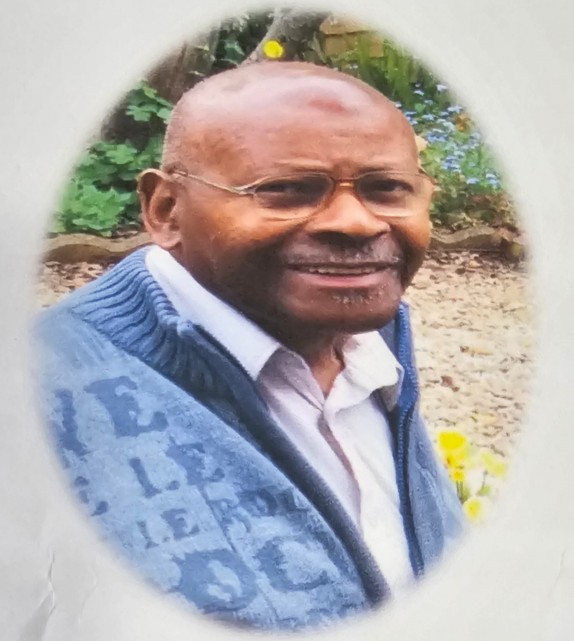
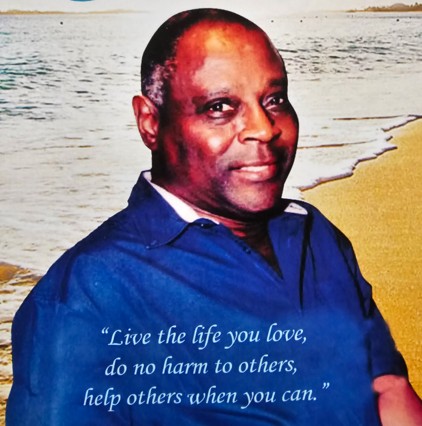
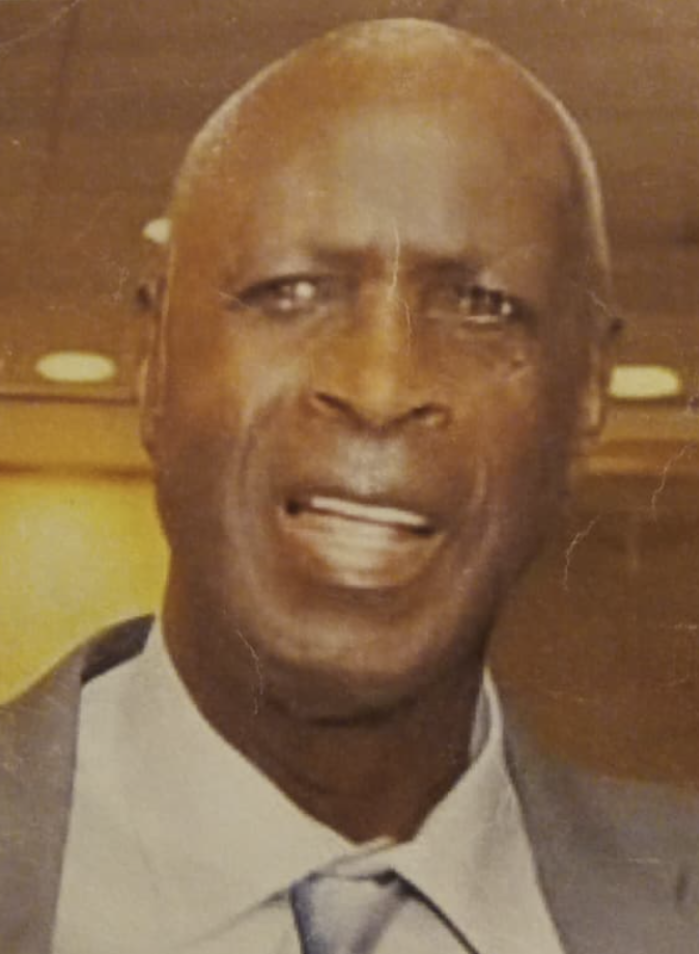
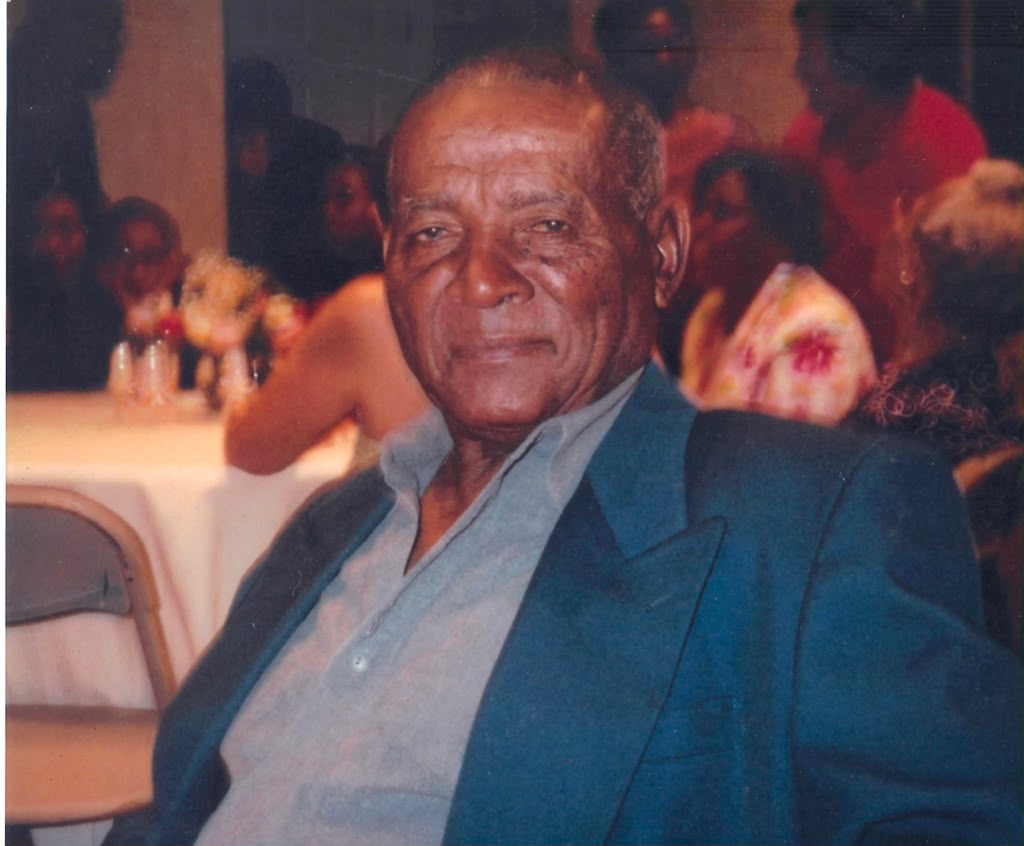
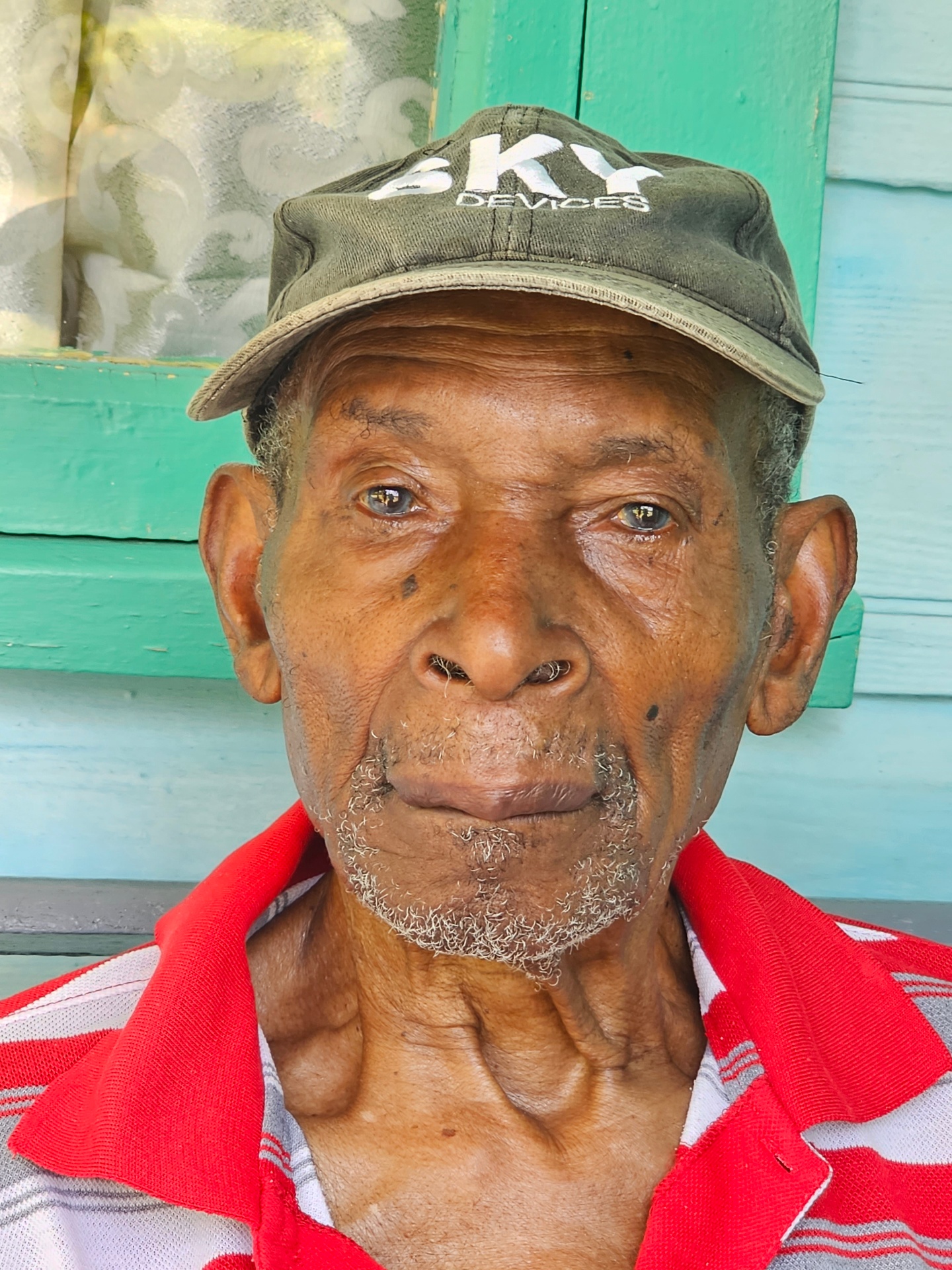
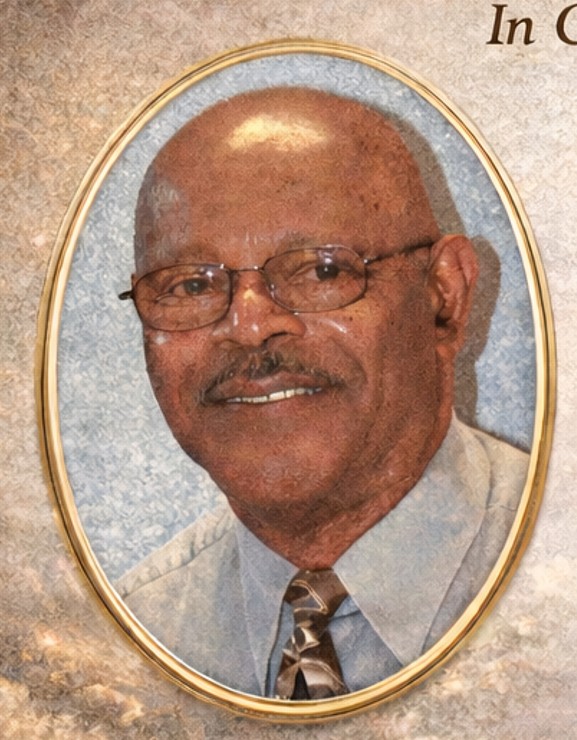
Winston Lloyd Martin
Dec 9, 1932 - Feb 3, 2026
Winston Lloyd Martin lived a long and meaningful life filled with family, music, hard work, friendship, and more than a little stubbornness. He was a man who did not need many words to make his feelings known, yet beneath his quiet and sometimes stern exterior was a deep love for his family and an appreciation for the life he had been given.
Born on December 9, 1932, to Ernest and Edna Martin, Winston began his life in the beautiful district of Lucky Hill in St. Mary, Jamaica. He attended Goshen Elementary School before continuing his education at Dent Hill Technical High School.
After graduating, Winston spent a brief period with his father in Oak Trees before returning to his former school, this time as a member of staff. His professional journey eventually led him into the insurance industry, a field he genuinely enjoyed. Committed to improving himself, he pursued numerous courses and built a career with National Life Insurance Company, later known as First Life Insurance Company of Jamaica.
To family and friends, however, Winston was often better known by another name: Doc.
His nieces and nephews affectionately called him Uncle Doc or Doctor Uncle Doctor, while friends simply called him Doc or Doctor. Family lore says the nickname began at birth. While his siblings had all arrived with the assistance of midwives, Winston apparently decided that his entrance into the world required a doctor. It was perhaps an early indication of the stubborn streak that would become one of his most memorable characteristics.
In a wonderful twist of fate, the man nicknamed "Doctor" would later become the father of a real doctor, his beloved son, Dr. Kevin Martin.
Family was at the center of Winston's life. He and his wife shared 50 years of marriage and a deep friendship until her passing in 2012. Together they raised three children—Kevin, Jodie, and Lance—and built a family whose memories would span generations and continents.
As a father, Winston was strict.
Very strict.
Fortunately, he rarely needed lengthy lectures to maintain order. A few words—and sometimes simply the glare—were enough. His children knew exactly what it meant. There was little need for further discussion.
But alongside that discipline was love, responsibility, and the determination to raise his children well. As the years passed and his children became adults, the relationship naturally changed. The stern father remained, but another Winston increasingly emerged: companion, friend, and eventually an almost inseparable part of their everyday lives.
Music was one of the great joys of Winston's life.
In his younger days in Jamaica, he was the DJ at the parties of family and friends. Wherever Winston went, the music followed. His children remember being taken along to parties where the adults celebrated in one area while the children gathered elsewhere, eventually falling asleep as the night stretched into the early morning.
Other families would gradually collect their children and head home.
Not Winston's children.
They were usually the last ones there—sometimes until four or five in the morning—because Dad was the man providing the music.
What might have seemed exhausting at the time became some of the family's most treasured childhood memories. Music brought people together, and Winston was often the man behind the soundtrack.
For much of his adult life, however, Winston was perfectly content to let everyone else do the sightseeing.
His family would suggest a show, dinner, trip, or excursion, and his response was often some variation of, "Go ahead. You people like to look at things. I've seen enough things in my lifetime."
Then something changed during the final years of his life.
Suddenly, Winston became his daughter's "ride and die," her constant companion—her "left cheek," or, in wonderfully Jamaican fashion, her "batty and bench." Wherever the family went, Winston went too.
Not necessarily willingly at first.
"Daddy, we're going to a concert."
"Why?"
"I think you'll enjoy it."
"Can't we just stay home?"
But the ticket had already been purchased, and eventually Winston would get dressed and go.
Afterwards came the inevitable question: "Daddy, what did you think?"
"They were really good."
Then came the Bob Marley movie.
"Daddy, we're going to see the Bob Marley movie."
"Why?"
"Because I think you'll enjoy it."
"Just turn on the TV."
But once again, the answer was, "No, let's try."
And once again, Winston went—and enjoyed himself.
Christmas in Los Angeles followed much the same pattern. There was resistance, questioning, and the suggestion that perhaps everyone could simply stay home. But Winston went, and afterwards acknowledged that he had enjoyed himself—particularly the food.
Good food could always win him over.
He especially appreciated his son-in-law's cooking and was quick to acknowledge a well-prepared meal. Traditional dishes were particular favorites, and coming home to good cooking became another of life's simple pleasures.
These seemingly ordinary adventures became extraordinary memories.
They remind us that love is sometimes persistent. Sometimes loving someone means refusing to accept "I'd rather stay home." It means buying the ticket anyway, getting them dressed, putting them in the car, and saying, "Come on, let's try."
And Winston tried.
Those final years became filled with experiences that might never have happened otherwise.
There were also moments of pure comedy.
On one dinner outing with a 91-year-old friend, Winston announced that he needed to use the bathroom. His daughter, accustomed to helping him, wondered why the request could not possibly wait until they returned home. Instead, his elderly dinner companion confidently announced that he would take Winston.
And so two gentlemen in their nineties headed into the men's room together while a nervous daughter waited outside, wondering exactly how this adventure was going to end.
They emerged perfectly fine.
It was another Winston story for the collection.
As Winston grew older and his needs increased, caring for him became a family effort. Lance stepped forward in ways that demonstrated tremendous love and commitment, helping with the difficult and deeply personal responsibilities that come with caring for an aging parent.
His caregivers and extended circle became important parts of Winston's final chapter as well. Mercedes cared for him faithfully for more than two years and loved him deeply. Donovan, one of his therapists, discovered that one of the best ways to motivate Winston was simply to talk about Jamaica. Stephanie, Margaret, and others offered their time, assistance, companionship, transportation, groceries, medical support, and countless acts of kindness.
Together, they formed a community around him.
Even as dementia progressed, Winston continued to provide his family with moments of humor and joy. Before the disease became more advanced, caring for him brought many wonderful memories and unexpected laughter.
And amid the difficulty of his final season, Winston gave his family one especially precious gift.
He told them that he was satisfied with his life.
He was happy.
For those left behind, there is enormous comfort in those simple words. Winston had lived long enough to look back across the decades—the boy from Lucky Hill, the educator, the insurance man, the DJ, the husband of 50 years, the strict father, Uncle Doc, the reluctant traveler, the lover of good food, and eventually the constant companion—and say that his life had been good.
That is no small blessing.
Winston Lloyd Martin's story reminds us that love does not always announce itself loudly. Sometimes it comes through discipline. Sometimes through providing for a family. Sometimes through music played until five in the morning. Sometimes through sitting together over a good meal. And sometimes it is found in simply refusing to leave an aging father behind when the family is heading out to make another memory.
His life also reminds us of the importance of persistence.
"Come on, Daddy."
"Why?"
"Because I think you'll enjoy it."
"No, let's try."
Those simple exchanges ultimately became expressions of love—and reminders that some of life's most precious memories are created when we gently persuade someone we love to keep participating in life.
Winston was stubborn. He was disciplined. He could communicate an entire paragraph with one glare. He loved his music and appreciated a good meal. He was a husband, father, grandfather, uncle, friend, professional, and companion.
Most importantly, he was loved.
And when the time came to reflect upon his journey, he could say something we should all hope to say at the end of ours:
He was satisfied with the life he had lived. He was happy.
Rest peacefully, Winston—Doc, Uncle Doc, Dad.
The music may have stopped, but the memories, the laughter, and the love remain.